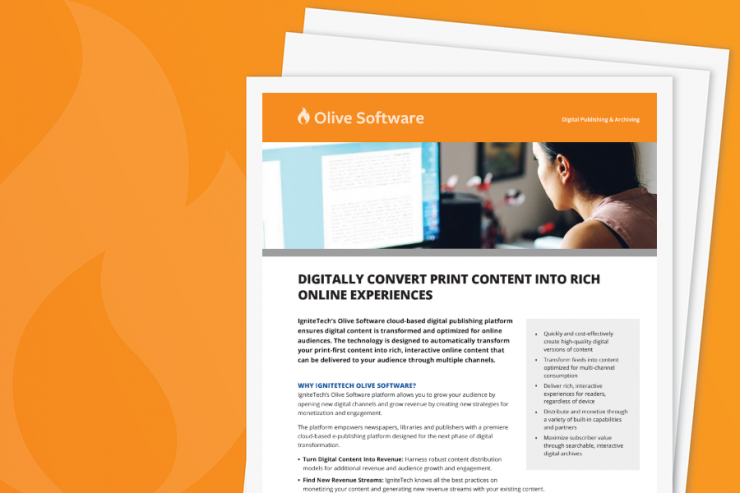
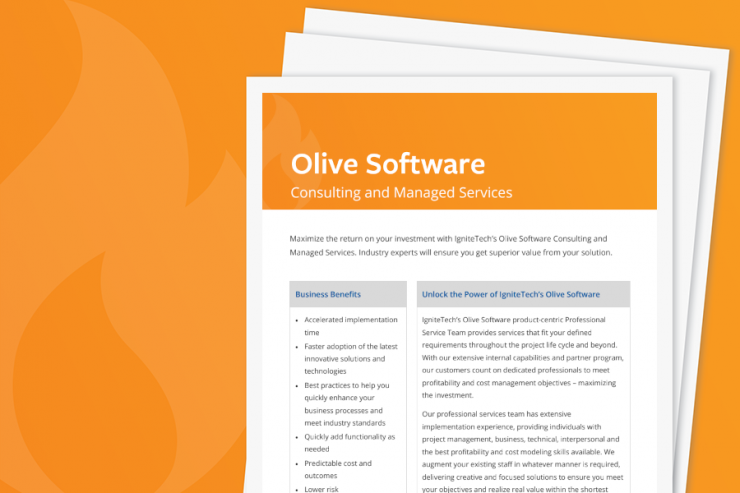
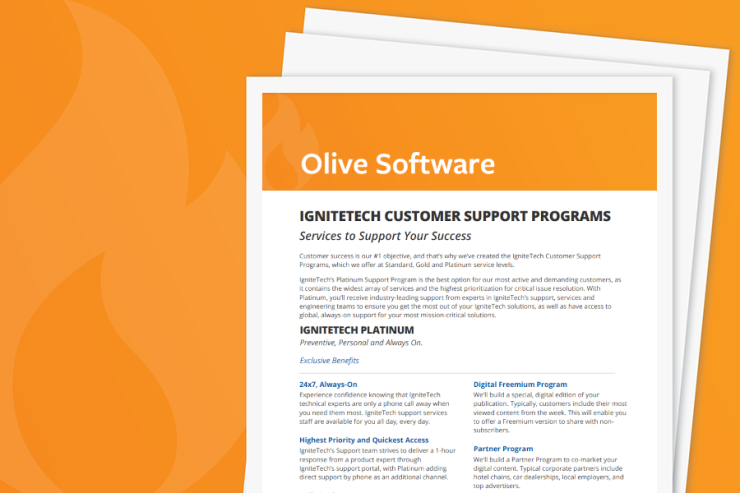
Olive Software is a digital publishing SaaS platform that transforms print-first content into rich, interactive online content. It can be custom-configured to meet your specific content and monetization requirements.
Why Olive Software?
- Audience Engagement
Turn digital content into revenue by harnessing robust content distribution models for additional revenue and audience growth and engagement.
- Monetization
Find new revenue streams from your existing content.
- Retention
Leverage proven best practices, engagement tools and content distribution channels to improve retention.
- Reduce costs
Reduce pressure on internal circulation, content, IT and field sales resources.
COMPLEMENTARY IGNITETECH UNLIMITED SOLUTIONS
Check out the solutions below, available free as part of your Olive Software subscription:
Kayako
Kayako
Deliver exceptional customer service in multiple languages across live chat, email, Facebook and Twitter.
Blog Posts

Apr 22, 2024
Three common machine learning misconceptions
Machine learning has become a hot topic, but there are still many misconceptions surrounding it. In…

Apr 19, 2024
State of adoption: Understanding the current AI landscape in your organization
In this thought-provoking blog post, we at IgniteTech explore the current state of AI adoption in…

Apr 17, 2024
IgniteTech Integrates AI Features Across Its Enterprise Software Portfolio
IgniteTech delivers AI-powered enhancements for 12 of its leading software products, available now…

Apr 11, 2024
Supercharge Your Team: Expert Knowledge on Demand with Jive Personas
Discover how Jive Personas, an innovative AI-driven solution, transforms the way organizations…

Apr 8, 2024
How computers understand Human Language
Unravel the mysteries of how computers understand human language through the fascinating world of…

Mar 28, 2024
IgniteTech Reinvents the Digital Workspace with AI-Powered Jive Personas, Unveiled at ImagineAI Live
IgniteTech CEO Eric Vaughan announces Jive Personas, empowering Jive customers with AI avatars that…